Running an e-commerce business may seem simple on the surface products in, sales out. But the reality is far more complex. One of the most common reasons e-commerce businesses struggle financially isn’t a lack of sales it’s poor cash flow management.
Whether you’re just starting out or scaling rapidly, understanding and tracking cash flow is essential for long-term success.
What Is Cash Flow?
Cash flow refers to the money moving in and out of your business. Inflows include customer payments and funding, while outflows include inventory purchases, software subscriptions, marketing, payroll, and taxes.
While profitability focuses on whether you’re making more money than you spend, cash flow tracks when that money actually hits or leaves your bank account.
Why E-Commerce Businesses Struggle with Cash Flow?
- Inventory Ties Up Capital
E-commerce businesses must often purchase inventory weeks or even months in advance. That money leaves your account before any sales occur sometimes long before. If your product has a long lead time, you may be cash-strapped while waiting for it to arrive or sell.
- You Owe Taxes on Income You Haven’t “Seen” Yet
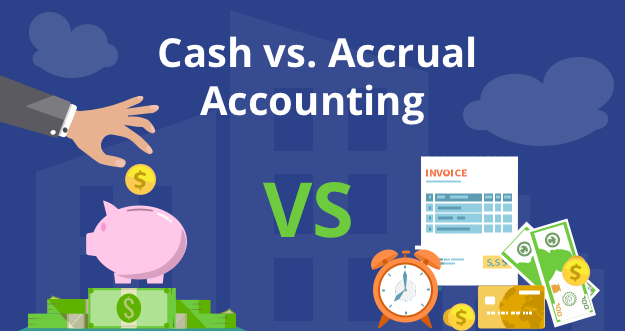
Because accounting is typically done on an accrual basis, you may owe taxes on profits even if your cash is tied up in inventory or outstanding receivables. Many e-commerce owners are caught off guard during tax season because they assumed a “profitable” year meant they’d have cash on hand.
- Marketing and Fulfillment Costs Come First
Running ad campaigns, paying influencers, and fulfilling orders all require cash upfront. But if your return on ad spend (ROAS) takes weeks to realize, you may be depleting your account before the revenue lands.
- Seasonal Spikes Can Distort Reality
Black Friday or Q4 sales can make a business look wildly profitable but cash flow may lag behind due to high upfront inventory, shipping delays, or returns. Without proper tracking, this creates a false sense of security.
What Happens If You Don’t Track Cash Flow?
- Missed supplier payments or payroll
- Inability to restock fast-moving inventory
- Overdrafts or high-interest short-term borrowing
- Surprise tax bills you can’t afford
- Unsustainable growth that leads to collapse
Many businesses fail not because they aren’t profitable but because they run out of cash.
Best Practices for Managing E-Commerce Cash Flow
- Forecast regularly: Use a 12-week rolling cash flow forecast.
- Track payment timelines: Know when suppliers must be paid and when platforms (like Shopify or Amazon) will release funds.
- Plan for taxes: Set aside estimated taxes monthly.
- Limit over-ordering: Use data to reorder inventory strategically.
- Consider financing: A working capital loan or line of credit can smooth cash gaps if managed wisely.
How a Orange Accounting Can Help?
Working with an accountant who understands e-commerce means you’ll have real-time visibility into your cash position, not just end-of-month financials. They can help you:
- Spot cash flow issues early
- Categorize expenses correctly
- Prepare for tax liabilities
- Create reliable forecasts
Bottom line: Sales are only half the equation. In e-commerce, managing your cash flow is what keeps the business alive.
If you’re a small business owner and not getting the support or visibility you need from your current accountant or if you’re still doing it all yourself we’d love to help.
At Orange Accounting, we’re a boutique accounting firm specializing in e-commerce bookkeeping and tax prep. We work with a limited number of clients so we can provide fast, strategic, and personalized support unlike the big firms that treat you like a number.
Located in South Florida. Prefer in-person? Come visit us.
Ready to talk? Schedule a free discovery call today